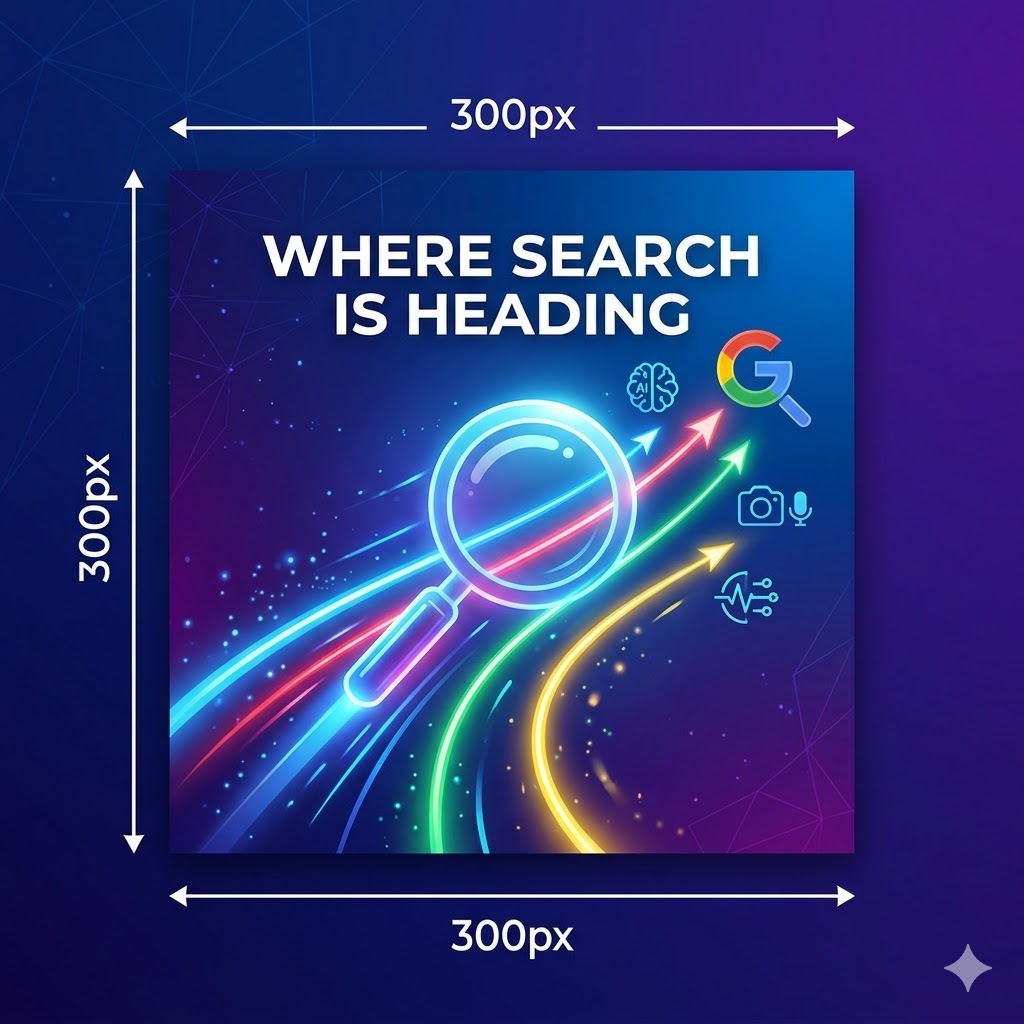
Google’s VP of Search, Liz Reid, addressed advertisers, publishers, and agencies at the Interactive Advertising Bureau’s 2026 Annual Leadership Meeting with a clear message: AI-powered search represents the most expansionary moment in Search’s 27-year history.
The 5 strategic signals Reid delivered at IAB ALM 2026 reveal not just where Google Search is heading, but how fast the ground is already shifting beneath every publisher and marketer operating inside Google’s ecosystem.
The advice sounds familiar. The infrastructure delivering it has fundamentally changed.
Query Fan-Out: The Technology Rewriting Content Strategy
Google’s query fan-out technology is the single most consequential technical disclosure Reid made at IAB ALM 2026. Query fan-out is Google’s AI technique of decomposing one complex user query into multiple sub-queries simultaneously, pulling targeted content from different sources to assemble a single comprehensive answer.
The direct implication for content strategy: content covering one topic with genuine depth outperforms content covering many topics with surface-level breadth. Google’s Gemini model no longer searches for a single webpage answering every facet of a query. It retrieves the best available answer for each facet separately. Shallow, all-in-one content loses to deep, specific content. Every time the fan-out mechanism fires.
Reid framed it plainly: users visiting a website want to immerse themselves and learn, not collect a one-sentence answer. AI Mode’s follow-up question behavior confirms this. A significant portion of AI Mode queries now generate at least 1 follow-up question, extending the search session deeper into subject matter rather than terminating at the first answer.
The 5 Shifts Reid Identified And What Each Actually Signals
| Reid’s Signal | Surface Message | Underlying Signal |
| AI Mode conversation depth | Search feels more natural | Google captures multi-turn intent data at scale |
| Multimodal visual search | Images and video matter more | Text-only content becomes structurally incomplete |
| Query fan-out technology | Create deep, specific content | Broad keyword targeting loses to topical authority |
| Niche advertiser surfacing | AI helps small brands compete | Complex queries reward specificity over budget size |
| Preferred Sources personalization | Publishers can build loyal audiences | Direct relationships reduce dependency on algorithmic distribution |
The Niche Advertiser Opening Nobody Is Talking About
AI-powered search advertising creates a structural advantage for niche brands that broad keyword bidding previously suppressed. Reid identified this directly: as users submit longer, more detailed queries, ads targeting specific intent become more relevant and more competitively accessible. A niche advertiser with a precise value proposition now surfaces in searches where broad competitors previously dominated purely through budget. Google’s AI Max, launched in 2025, unlocks billions of net new searches advertisers were not reaching through traditional keyword match targeting.
Preferred Sources: The Loyalty Signal Search Now Rewards
Google’s Preferred Sources feature allows users to select favorite websites and receive prioritized content from those sources inside Top Stories and AI experiences. Nearly 90,000 unique sources have been selected across the feature. Users who select a preferred source click through to that site twice as frequently on average. Google is introducing subscription prioritization inside AI experiences, surfacing content from a user’s active subscriptions directly within AI-generated responses.
Direct audience relationships now carry measurable algorithmic weight inside Google Search. Publishers building owned audiences are not just hedging against algorithmic dependency. They are accumulating a signal that Google’s system actively rewards.
Final Opinion
The Advice Is the Same. The Catch Is New.
Reid’s content guidance at IAB ALM 2026 is genuinely consistent with what Google has advised for years: create useful, expert, people-first content. That advice remains correct. The contradictory position sits one layer beneath it.
Google’s AI infrastructure now intercepts that useful content, synthesizes it into an answer, and delivers it to the user before they reach the website that produced it. Query fan-out retrieves the best content from the open web. AI Overviews present it without guaranteeing a click follows. Preferred Sources and subscription integration partially restore direct publisher relationships, but only for a fraction of users actively configuring personalization settings.
The honest summary: Google’s advice to create great content has not changed. The system receiving that content has. Creating for people remains the right strategy. Assuming people will reach your website after creating for them is an assumption worth questioning.
Google’s search architecture is shifting faster than most strategy documents can track. Subscribe to The IT Horizon newsletter. We decode every platform signal, algorithm update, and AI search development so your content strategy stays built for what search actually is, not what it used to be.