
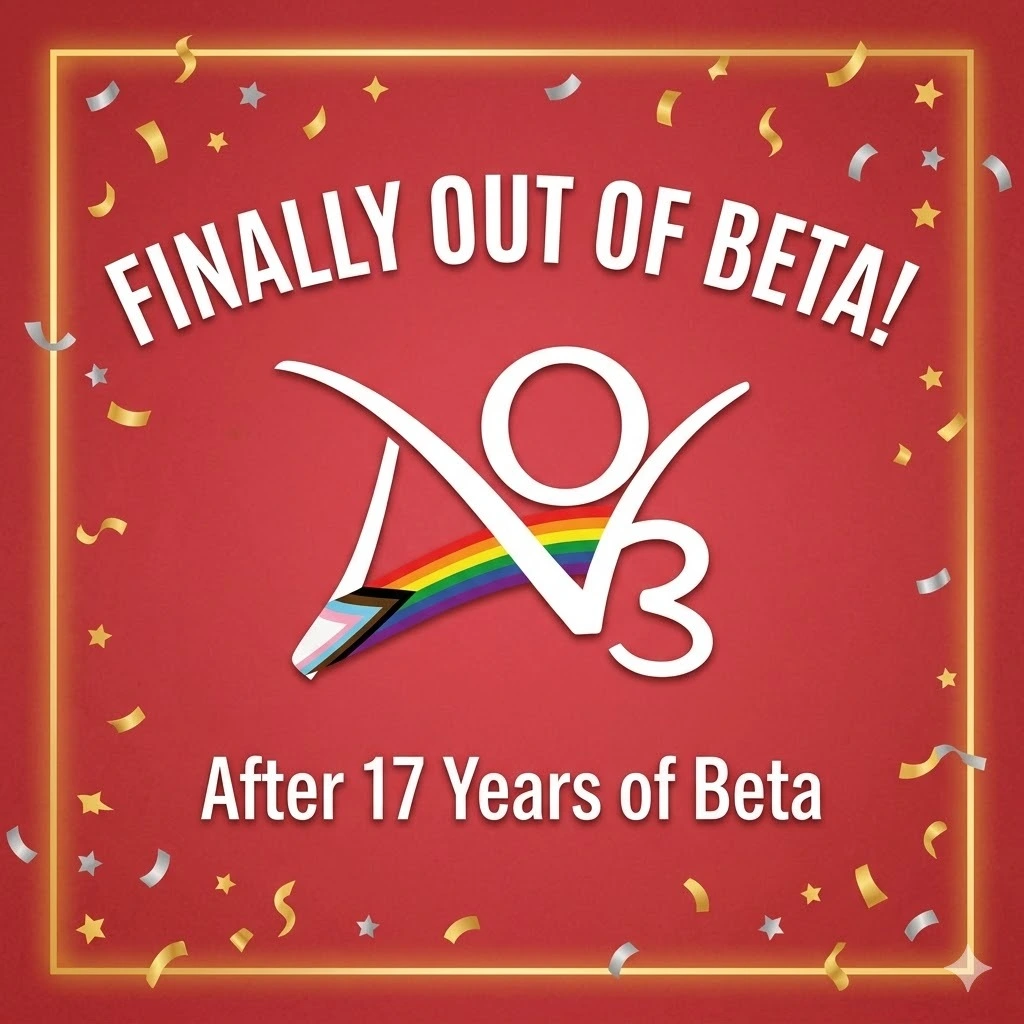
Archive of Our Own (AO3) officially exited beta on April 3, 2026, ending a 17-year development label that had sat quietly in the corner of its logo since the platform launched in 2009. The announcement came from the Organization for Transformative Works (OTW), the nonprofit behind the site, and was met with 6,300+ upvotes on Reddit within hours. It is a reaction that tells you everything about how much this platform means to the people who use it.
What AO3 Actually Is
AO3 is the largest nonprofit fanfiction archive on the internet. It hosts creative works, including stories, art, and other fan-made content, based on existing books, films, TV shows, games, musicians, and virtually any other cultural property, written and uploaded by fans for free. No ads. No algorithm pushing content at you. No paywall. No corporate interest in what gets published or read.
The platform operates entirely on volunteer labour and user donations, with no commercial ownership of any content hosted on it. In 2019, AO3 won a Hugo Award for its contribution to fan culture. The Hugo Award is one of science fiction and fantasy’s most prestigious literary prizes. It is, by any measure, one of the most significant community-built platforms on the internet.
Who Built AO3 and Why
AO3 was created by the Organization for Transformative Works (OTW), a nonprofit founded in 2007 by fans who wanted a legally protected, fan-owned space for creative works. The founding motivation was direct: corporate platforms had a long history of deleting fan content, monetising it without creator consent, or shutting down without warning. OTW built AO3 as a permanent, non-commercial alternative, a platform that would always belong to its community rather than to investors or advertisers.
Every feature AO3 has ever shipped, including its tagging system, fanworks download options, creator privacy settings, and access controls, was built by volunteer coders and community contributors funded by donations from users. No venture capital. No acquisition. No platform pivot to chase revenue.
What “Beta” Actually Means and Why AO3 Kept It for 17 Years
In software development, “beta” means a product is functional and available to users but not yet finalised. Features are still being tested, the codebase may change, and the developers consider the product a work in progress. Most platforms use beta as a short launch phase. Gmail stayed in beta for 5 years. Google News kept its beta label for 8 years. AO3’s 17-year beta is the longest of any major web platform still in active use.
The reason AO3 kept the label so long is straightforward: the platform was always honest about being a work in progress, always had an active development queue, and never reached a point where the team felt everything was finished.
As OTW stated in the announcement: “The change is mostly cosmetic and does not indicate that everything is finalized or perfectly working.”
The codebase had stabilised years before the label was removed. The beta exit is less a technical milestone and more an official acknowledgment of what was already true.
The April Fools Timing Was Intentional and Perfect
On April 1, 2026, AO3 replaced the word “beta” in its logo with “omega” as an April Fool’s joke. On April 3, it removed the label entirely and announced the beta exit. The Reddit community immediately noticed that AO3 had clearly delayed the official announcement by at least 1 day, specifically to execute the joke first, staying in beta one extra day just to make the gag land. For a platform built entirely by and for a community that runs on this exact kind of in-joke, it was a characteristically perfect move.
What Changes Now and What Stays the Same in AO3
Practically speaking, the beta exit changes 1 thing: the label is gone. The platform looks and works identically. Volunteer coders continue building. The public Jira board, where AO3 tracks every active bug and upcoming feature in full view of anyone who wants to look, a transparency almost no other major web platform offers, remains accessible and active.
OTW confirmed that development continues after the beta exit, with community contributors working daily to improve the platform. The most discussed community requests include better tag management tools and an improved mobile experience, both visible on the public Jira board for anyone to follow.
To mark the moment, OTW released a commemorative “I was here for beta” badge that users can add to their AO3 profiles using a simple HTML embed code provided in the announcement.
Final Takeaway
AO3 spent 17 years in beta, not because it was broken. But because it was honest. It never pretended to be finished. It never chased a launch moment for marketing purposes. It just kept building, quietly and consistently, funded by the people who used it and maintained by volunteers who believed in what it was. The beta label is gone. Everything else stays the same, which, for the millions of people who depend on it, is precisely the point.
Digital culture, internet history, and the platforms shaping how people create and connect, our newsletter covers it all. Subscribe and never miss a trending update worth reading.